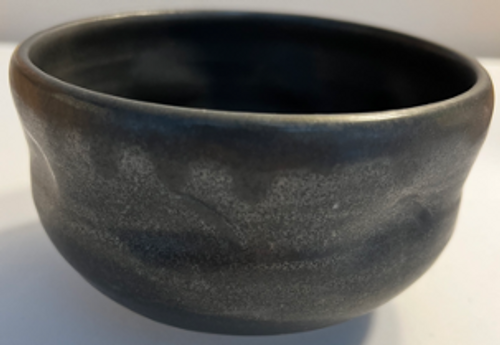
Guinomi: Shūhō Kiln Mino Oribe, Attributed to Nakagaki Renji
Write a Review

Guinomi: Shūhō Kiln Mino Oribe, Attributed to Nakagaki Renji
- SKU:
- SAK-018
- Minimum Purchase:
- 1 unit
- Maximum Purchase:
- 1 unit
|
Object type |
Guinomi / Japanese sake cup |
|
Ware |
Mino Oribe ware |
|
Maker |
Attributed to Nakagaki Renji of Shūhō Kiln |
|
Probable date |
Late Shōwa to early Heisei period, approximately 1970s–1990s |
|
Materials |
Buff stoneware with crackled cream glaze, copper-green glaze, and iron-brown painted decoration |
|
Dimensions |
To be entered after measurement |
|
Weight |
To be entered after weighing |
|
Documentation |
No signed box or certificate shown |
I Identification
This compact Japanese sake cup combines a creamy crackled ground with freely applied copper-green glaze and an energetic iron-brown line design. The green crosses the rim and continues into the well, while the cream field opens the surface and makes the painted marks especially lively. A softly pinched profile, visible throwing lines, and the spiral-trimmed foot preserve the direct character of studio pottery.
II Artist and Lineage
The vertical incised mark beside the foot appears to read 秀峰 (Shūhō). Its character structure, cutting style, and placement closely resemble the Shūhō mark on another documented Tea Dogu example. Published retail documentation identifies Shūhō as Nakagaki Renji and records his wheel-thrown Mino guinomi decorated in the traditional Oribe manner. The glaze palette, iron painting, form, and foot treatment support the same workshop attribution. Because no matching signed box or certificate accompanies this cup, the maker is stated as “attributed to” rather than conclusively authenticated.
III Physical Characteristics
A compact wheel-thrown cup with a gently irregular circular rim, rounded lower wall, and a small trimmed foot. Cream crackle glaze covers most of the vessel; glossy green glaze is applied asymmetrically across the rim and interior. Iron-brown painted marks animate the exterior.
IV Inscriptions
A narrow vertical inscription is incised into the exposed clay beside the foot. It appears to read 秀峰 (Shūhō). The attribution remains qualified because the strokes are softened by the textured clay and no signed box accompanies the cup.
V Tomobako and Kiribako
No wooden box is shown or documented.
VI Provenance and Documentation
Current Tea Dogu inventory. No earlier ownership history or maker documentation is presently recorded.
VII Market and Availability
One signed Mino Oribe guinomi, attributed to Nakagaki Renji of Shūhō Kiln. It may also be used as a small individual cup for sencha, although its primary form is a guinomi for sake.
VIII Aesthetic and Narrative
The broad cream field and deep green passages create a strong light-dark rhythm. Fine crazing gives the pale glaze an aged, tactile appearance, while the swift brown linework feels almost calligraphic.
Small Detail
The green glaze crosses the rim and descends into the well, visually connecting the exterior decoration with the drinking surface.
Suggested Collector Line
A lively signed Oribe-style guinomi balancing creamy crackle glaze, deep copper green, and spontaneous iron-brown brushwork.
Condition
The photographs show pronounced glaze crazing, irregular glaze edges, and firing variation that appear integral to the making. No obvious chip, crack, or restoration is visible in the supplied views. Confirm condition by direct examination before publication or sale.